
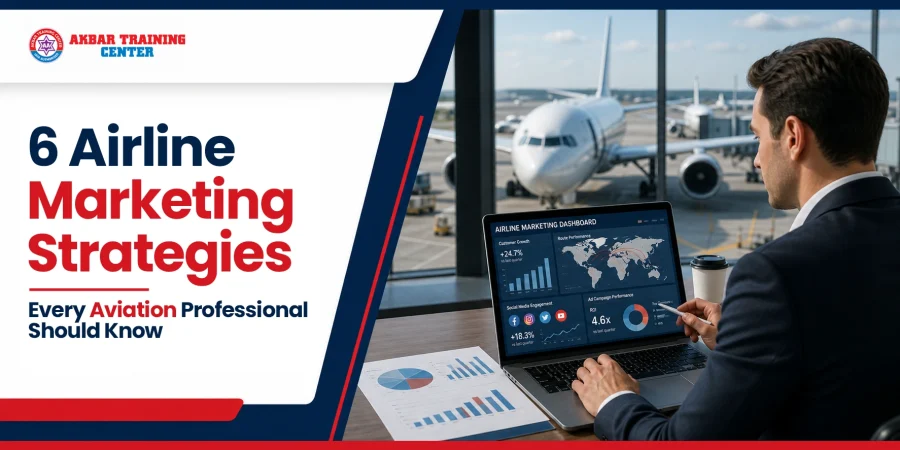
The aviation industry is entirely about moving people, bringing them together, and creating memorable journeys. Today in 2026, these goals are more important than ever before. Modern passengers want a smooth trip, have plenty of travel options, and will not tolerate delays or confusing processes. Because of this change, airline marketing is no longer just about selling cheap tickets. Instead, it is about building trust, creating a great brand image, and helping passengers feel valued long before they ever reach the airport.
For airlines to be successful in the really competitive global aviation industry, they need to be pushing ideas that, kind of, will encourage loyalty over the long haul, and also fit what people do when they travel now. It’s not just one thing—these are the primary marketing strategies that every airline player should know and, honestly, use.
1. Hyper-Personalization in Airline Marketing
Personalization isn’t really about the data. It’s about whether the airline bothers to notice you. A generic sale email to a city you’ve never shown interest in tells you something: you’re a number on a list, not a traveler they’re paying attention to.
The airlines getting this right use booking history and preferences to make the next interaction feel earned, not automated. The line between thoughtful and creepy is thin, and it comes down to whether the personalization feels like care or surveillance.
2. Loyalty Programs That Drive Customer Retention
Most people assume loyalty programs are about points. I’d argue they’re barely about points at all. What actually keeps someone loyal is the feeling of being recognized, an upgrade nobody asked for, a gesture that says “we remember you,” not a balance sitting in an app.
The smartest programs lean into that emotional side instead of just stacking more perks. Status and partnerships matter, but they’re the structure, not the reason someone stays. The reason is almost always simpler than the program design, people want to feel known.
3. Brand Storytelling Still Matters in Aviation

It would be easy to assume an industry built on logistics has no room for storytelling. I think that assumption is backwards. The airlines that lean too hard into “efficient” and “on-time” end up feeling cold, like talking to a system instead of a company.
The ones that last tell a human story instead, a crew member going out of their way, a mission that’s about people, not metrics. That story is what makes someone choose one airline over another when the fares and schedules look nearly identical.
4. Social Media Campaigns That Start Conversations
Social media is where an airline can’t hide behind polish. It’s also where things go wrong publicly, a delay, a lost bag, and travelers notice fast whether there’s a real person responding or just a script.
The accounts that earn attention aren’t the ones posting the prettiest photos. They’re the ones that sound human, quick replies, a little humor, real acknowledgement when something goes sideways. That honesty is rare enough in this industry that it stands out on its own.
5. Mobile-First Airline Marketing Strategy
The phone has quietly become the actual airport experience for most travelers, check-in, boarding pass, flight status, rebooking, all happen there before anyone sets foot in a terminal. Treating the app like an afterthought is treating the main relationship like an afterthought.
What separates a good app from a forgettable one isn’t features, it’s whether it actually solves problems in the moment, a delay, a gate change, a need to rebook, without a phone call. That’s where trust either gets built or quietly lost.
6. Omnichannel Customer Experience in Aviation
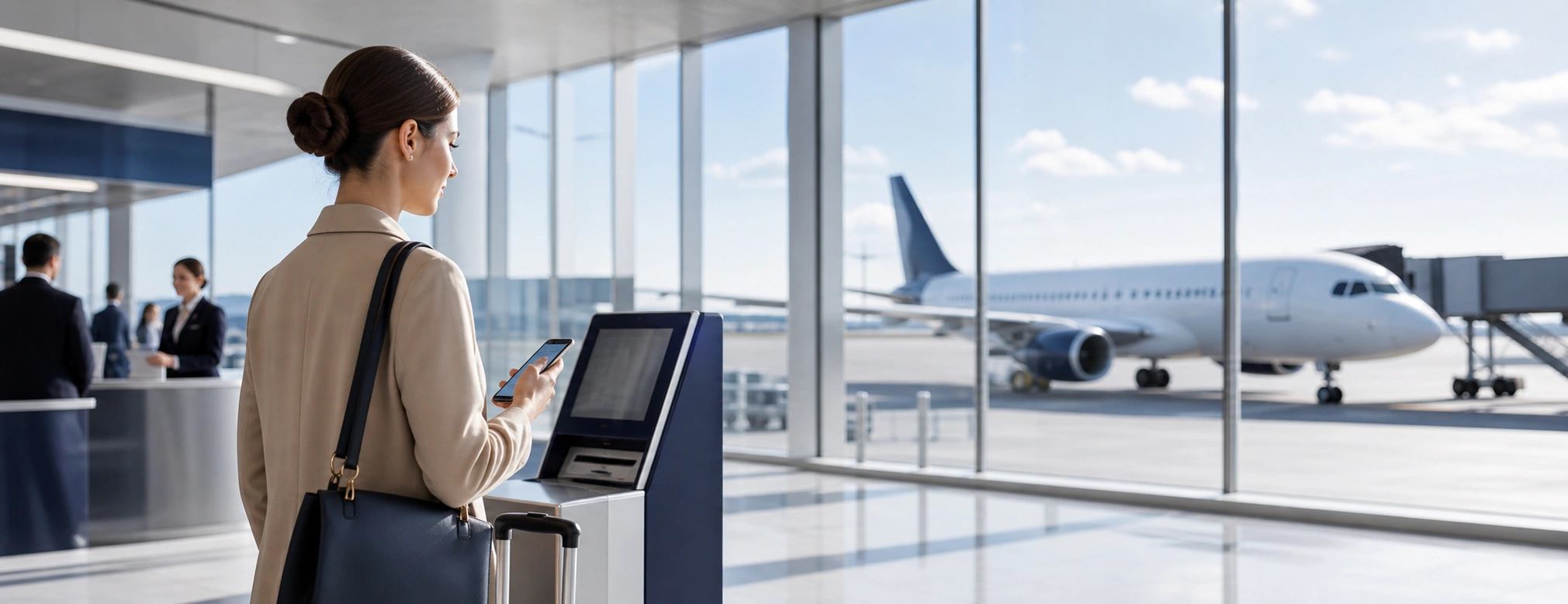
Travelers don’t experience an airline in channels, website, app, kiosk, they experience it as one relationship. When those pieces feel disconnected, it doesn’t read as a technical issue to them. It reads as the airline not having its act together.
Getting this right takes real coordination behind the scenes, not just matching colors across platforms. But the payoff is simple, the airline starts to feel like one consistent thing the traveler can rely on, no matter where they show up.